Zengo Cryptocurrency Wallet Review 2026: Is Keyless Security Still the Future?
You know that sinking feeling when you can’t find your car keys? Your heart drops into your stomach. You pat your pockets frantically. For a split second, you think your whole day is ruined. Now imagine that feeling, but instead of car keys, it’s a piece of paper that holds your entire life savings.
That is the reality for most crypto investors, even in 2026. I remember when I first bought Bitcoin years ago. I wrote my 12-word seed phrase on a yellow sticky note. I was so paranoid I hid it inside a hollowed-out book on my shelf. Every time I left the house, I worried my dog would chew it up or my house would burn down. It was exhausting!
That anxiety is exactly why Zengo was built. They claim to be the first “keyless” wallet. But when I first heard that, I was skeptical. How can you have a crypto wallet without keys? Is it magic? Or is it just a fancy marketing gimmick? I decided to dive deep. I tested it out thoroughly to write this honest zengo cryptocurrency wallet review 2026. I wanted to see if it’s actually safe for regular folks like us.
Key Takeaways
- No Seed Phrase: Zengo uses MPC technology, meaning there are no keys to lose or get stolen.
- 3FA Recovery: You can restore your wallet on a new phone using your email, cloud backup, and a face scan.
- Legacy Transfer: The Pro version offers a “digital will” feature to pass assets to loved ones.
- Beginner Friendly: The interface is incredibly simple and takes less than 60 seconds to set up.
- Self-Custodial: You have full control over your funds, unlike keeping them on an exchange.
What is Zengo and Why is Everyone Talking About It?
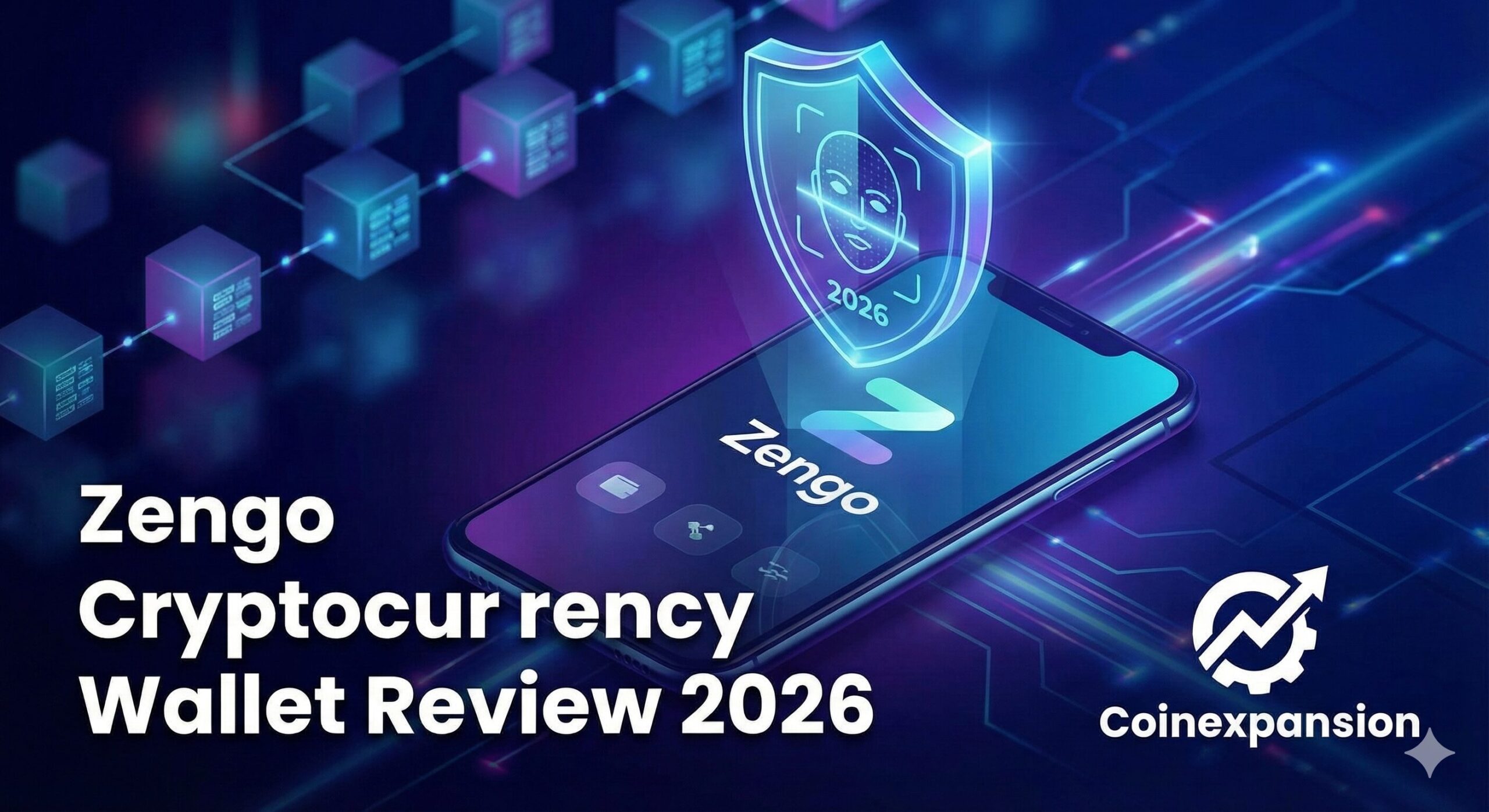
So, let’s start with the basics. Zengo is a mobile crypto wallet, available on iPhone and Android. But unlike almost every other wallet out there, Zengo does not give you a seed phrase. You know, those 12 or 24 random words you are supposed to guard with your life? Zengo got rid of them.
Instead, they use something called MPC technology. I know, “MPC” sounds like something from a sci-fi movie, but stick with me. It stands for Multi-Party Computation. It’s actually the same kind of tech that huge institutions use to secure billions of dollars. Zengo just figured out a way to put it in an app for you and me.
If you are reading this zengo cryptocurrency wallet review 2026 because you are tired of stressing over seed phrases, you are in the right place. The whole point of this wallet is to make crypto feel as easy as logging into your email. But it keeps the security of a Swiss bank vault.
How Does the “Keyless” Magic Work?
Okay, let’s break this down over a metaphorical coffee. Usually, a crypto wallet has one private key. If you lose it, your money is gone. If someone steals it, your money is gone. It’s a “single point of failure.”
Zengo splits that key into two separate “shares.” First, there is the Personal Share. This one is stored securely on your phone. Second, there is the Remote Share. This one is stored on Zengo’s servers.
Here is the cool part. Neither share can transact on its own. They have to “talk” to each other to sign a transaction. This means if a hacker steals your phone, they can’t access your funds because they don’t have your face. And if a hacker hacks Zengo’s servers, they only get a useless piece of the puzzle because they don’t have your phone.
It is brilliant, right? It removes the single point of failure. During my testing for this zengo cryptocurrency wallet review 2026, I tried to simulate “losing” my phone to see how hard recovery was. Spoiler alert: It was shockingly easy.
Security: Is It Actually Safe?
This is the big question. When you remove the seed phrase, are you actually safer?
The 3FA Recovery System Zengo uses a 3-Factor Authentication system to restore your wallet if you get a new phone. You need three things. First, your email to verify a link. Second, your recovery file stored in your cloud. And third, your face.
This is the kicker. Zengo uses “3D FaceLock” technology. This isn’t just the FaceID you use to unlock your iPhone. This is a specialized biometric scan that ensures you are a real, living person. You can’t just hold up a photo to the camera. When I set up my wallet, I had to move my head around. It felt very secure.
The “What If Zengo Disappears” Fear This is the most common question I get. “If Zengo goes bankrupt, do I lose my money?” No, you don’t. Zengo has a specific contingency plan for this. They have set up a system called Guaranteed Access. If they stop operating, a separate mechanism kicks in. It allows you to combine your shares and move your funds out without their servers. It’s a huge relief and a major plus point for this zengo cryptocurrency wallet review 2026.
Setting Up Zengo: My Experience
I downloaded the app to see how fast I could get running. Honestly? It took me less than 60 seconds. I am not exaggerating. I downloaded the app, entered my email, and scanned my face. Done.
There was no writing down words. No “verify word number 4 and number 12.” It felt strange at first. It felt almost too easy. I kept waiting for the hard part, but it never came. If you are a beginner, this is hands down the best onboarding experience I have ever seen.
Supported Coins and Features
Zengo isn’t just a Bitcoin wallet. They support over 120 cryptocurrencies. You’ve got the big dogs like Bitcoin and Ethereum. But they also have Dogecoin, Shiba Inu, and a bunch of others. They also support Polygon and Tezos.
Buying and Selling You can buy crypto directly inside the app. You can use a credit card, Apple Pay, or bank transfer. It connects to providers like MoonPay and Banxa. I bought $50 worth of Bitcoin to test the speed. The transaction went through in about two minutes. The interface is clean and shows you exactly what you are paying.
Swapping You can also trade one coin for another. I swapped some ETH for BTC. It was seamless, though I will talk about the fees later.
NFT Support If you are into digital art, Zengo has a nice gallery view. You can see your NFTs on Ethereum and Polygon. It’s not as advanced as some dedicated NFT wallets, but for viewing and basic sending, it works great.
The Fees: The Elephant in the Room
We have to talk about money. Convenience usually comes with a price tag, and Zengo is no exception. This is probably the most critical part of this zengo cryptocurrency wallet review 2026.
The wallet itself is free to download and use. You don’t pay to store your coins. However, when you buy or swap crypto inside the app, the fees can be a bit higher.
- Processing Fees: When you buy with a card, the payment processor charges a fee. This isn’t Zengo’s fault, but it still hurts your wallet.
- Spread: When you swap, there is a “spread” between the buy and sell price. I noticed the spread on Zengo can be around 2% sometimes.
Is it a dealbreaker? Not really. You are paying for the convenience of not having to use an external exchange. If you are trading thousands of dollars daily, the fees might add up. But if you are just buying and holding? The safety and ease of use are probably worth the extra couple of bucks.
Zengo Pro: Is It Worth the Upgrade?
Recently, Zengo launched a paid subscription called “Zengo Pro.” It costs about $20 a month. I signed up for the trial to see what the fuss was about.
Legacy Transfer This is the killer feature. It allows you to set up a “digital will.” If you stop using your wallet for a certain time, Zengo can automatically transfer your assets to a loved one. Think about it. If you die tomorrow, who gets your crypto? If it’s on a Ledger and nobody knows the pin, it’s gone forever. With Legacy Transfer, your family is protected. This feature alone might be worth the subscription.
Theft Protection This links your withdrawals to your biometrics. If someone tries to send more than a certain amount out of your wallet, they must scan your face. So even if a hacker has your phone and your passcode, they can’t drain your account.
Web3 Firewall This warns you if you are about to interact with a sketchy smart contract. It’s like an antivirus for your crypto transactions.
Zengo vs. Hardware Wallets
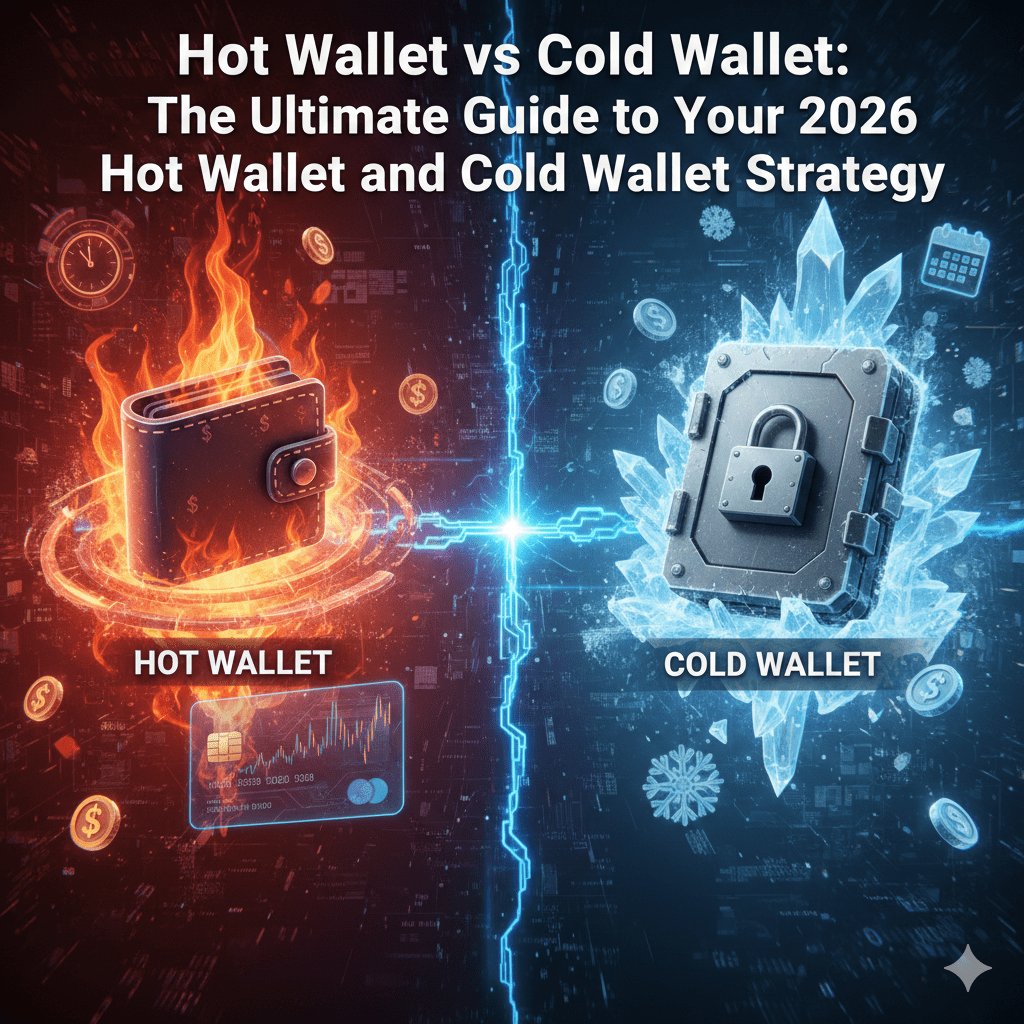
I know what you are thinking. “Should I get a Zengo or a Ledger?” It’s the classic Hot Wallet vs. Cold Wallet debate.
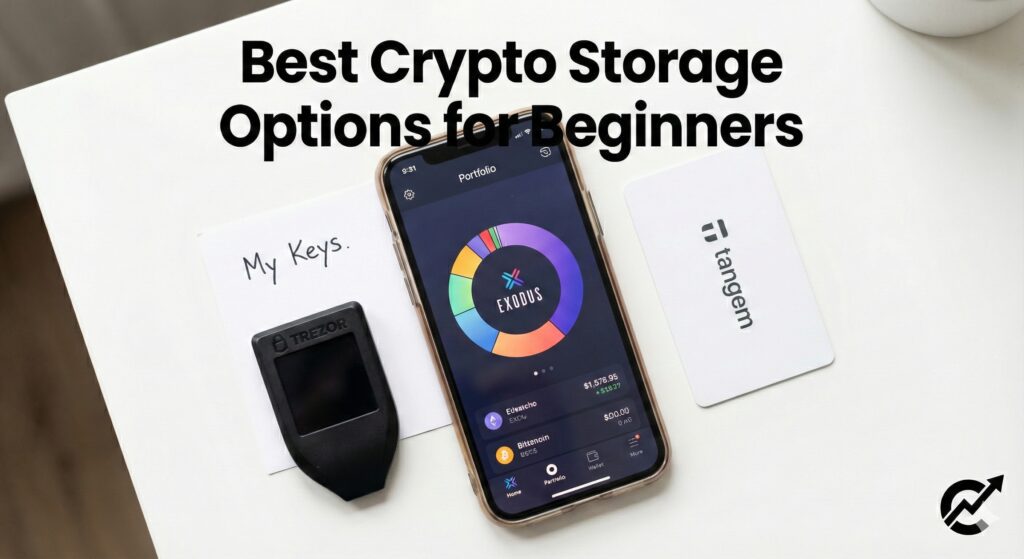
Ledger and Trezor (Cold Wallets) The pros are offline storage and industry standards. The cons are managing the seed phrase. If you lose the device and the paper, you are screwed. The user experience is clunky.
Zengo (Hot/MPC Wallet) The pros are it is impossible to lose your keys. It has phone-based convenience and incredible support. The cons are it is theoretically less secure than a device that never touches the internet.
My take? If you have $500,000 in Bitcoin, maybe keep the bulk on a Ledger in a bank vault. But for your daily driver? For the first $10k to $50k? Zengo is infinitely easier to use. It is safer against user error, which is how most people lose their crypto anyway.
Customer Support: A Real Human?!
I have to mention this because it shocked me. Most crypto companies have terrible support. You send an email and wait three weeks for a bot to reply. I tested Zengo’s support by asking a dumb question about transaction fees at 11 PM on a Sunday. I got a reply in 4 minutes. From a real person. They were friendly and didn’t make me feel stupid. For a beginner, this peace of mind is priceless.
The Cons: It’s Not All Sunshine
I promised you an honest zengo cryptocurrency wallet review 2026, so here are the downsides.
- Not Fully Open Source: Because their security relies on their server code interacting with your phone, they can’t make the whole thing open source. Some hardcore crypto purists hate this.
- Mobile Only: Currently, there is no desktop extension that works independently. You have to use your phone.
- Coin Support Gaps: While they have 120+ coins, they might be missing that one obscure memecoin you want to gamble on.
Who Is Zengo For?
- The Beginner: If you are terrified of seed phrases, this is the only wallet you should consider.
- The “User Error” Prone: If you are the type of person who forgets passwords or loses things, Zengo saves you from yourself.
- The Family Planner: If you want to ensure your kids get your crypto if something happens to you, the Pro features are unmatched.
Step-by-Step: How to Secure Your Zengo Wallet
If you decide to give it a shot, here is a quick guide to making it bulletproof.
- Download from Official Store: Only use the Apple App Store or Google Play Store link from their website.
- Do the Backup: Immediately complete the 3FA backup. Do not skip this!
- Test It: Delete the app and reinstall it. Try to recover your wallet. Once you see how easy it is to get back in, you will sleep like a baby.
- Consider Pro: If you hold more than $5,000, look at the Theft Protection feature.
Wrapping It Up
So, is Zengo safe? Yes. In fact, for the average person, I would argue it is safer than a hardware wallet. Not because the technology is “better” than cold storage, but because it removes the biggest security risk of all: You.
We are humans. We lose papers. We forget where we hid things. Zengo accounts for human error in a way that no other wallet does. If you have been sitting on the sidelines because the tech scared you, Zengo is your entry ticket. It feels like a modern banking app but gives you true ownership of your assets. Give it a try. Your future self might thank you for it.
Frequently Asked Questions
Is Zengo safer than Coinbase? Yes, because Zengo is self-custodial. When you leave money on Coinbase, the exchange owns your crypto. If they go bankrupt, you could lose everything. With Zengo, you own the assets. Zengo cannot touch or freeze your money.
What happens if I lose my phone? You simply download Zengo on your new phone. You log in with your email and scan your face. Your wallet will be restored instantly. It’s magic.
Does Zengo support Bitcoin Lightning? Currently, Zengo focuses on main-chain transactions. They have integrated some Layer 2 solutions like Polygon and Arbitrum, but check their site for the latest on Lightning support.
Can I move my crypto from Zengo to a Ledger later? Absolutely. You can send your crypto out of Zengo to any other wallet address at any time. You are never locked in.
Is Zengo Pro worth the money? If you have significant assets and want the Legacy Transfer feature, it is absolutely worth it. It’s cheaper than hiring a lawyer to draft a crypto will!