12 Best Crypto Wallets app – types of crypto wallets 2026
When you first get into crypto, the idea of a “wallet” can seem a little strange. The easiest way to understand it is to think about your normal money.
You have a safe place, like a bank account, for your life savings. Then, you have a physical leather wallet with a little cash for daily shopping. Crypto works the same way.
Finding the best crypto wallets app is the most critical step you will take. But before you download anything, you need to understand the landscape.
There are several types of crypto wallets available, and picking the wrong one can be a disaster. You have super-secure vaults for your long-term savings (Hardware Wallets) and convenient apps on your phone for everyday spending (Software Wallets).
We have personally used every single wallet on this list (including all 5 hardware wallets listed below). My journey started simple I left my coins on an exchange because I didn’t know better. But as my portfolio grew, so did my need for security.
This guide is based on real experience. It is designed to help you find the best crypto wallets app or hardware device to protect your digital wealth in 2026.
We are going to look at the top options. Whether you need a vault or just the best crypto wallets app for quick trades, I’ve got you covered.
What is a Cryptocurrency Wallet, Really?
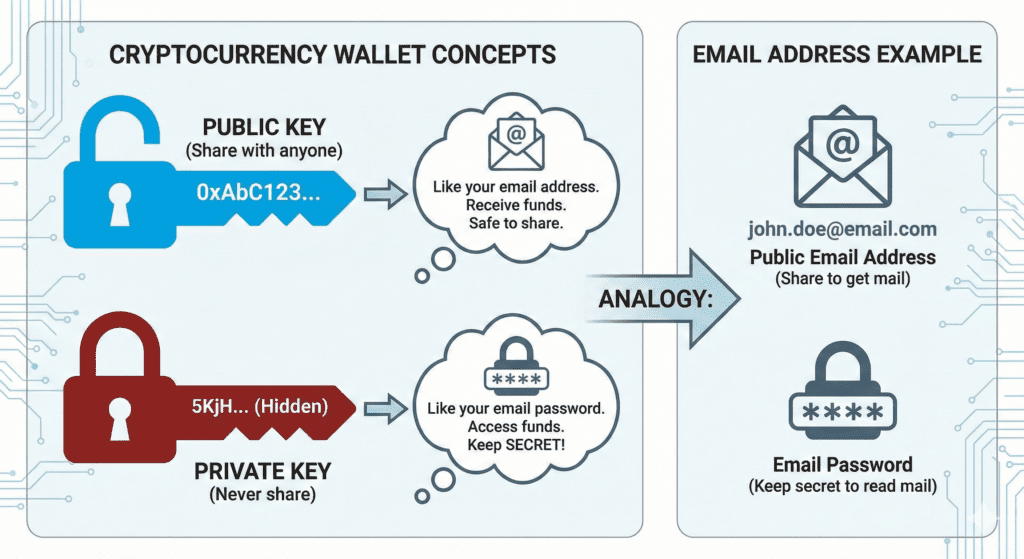
Before we look at the list, let’s clear up a huge misconception. Your wallet does not actually store your crypto. Your crypto lives on the blockchain.
Think of a wallet like a keychain. It holds your private key. That key is like a password that proves you own the coins. When you look at the different types of crypto wallets, their main job is just protecting that key.
- Public Key: Like your email address. You can share this with anyone.
- Private Key: Like your email password. Never share this.
The debate usually comes down to security. Are you using a hardware device? Or are you trusting a hot wallet on your phone? Understanding the specific types of crypto wallets helps you decide where that key should live.
Key Takeaways
- The Golden Rule: “Not your keys, not your coins.” When comparing types of crypto wallets, the safest choice is always one where you control the private key.
- Hot vs. Cold: Use a hardware wallet (Cold) for savings. Use the software or Exchange wallets (Hot) for trading and buying your morning coffee.
- Top Picks: Ledger Nano X is the best all-rounder. Trezor offers open-source trust. And Zengo is the best crypto wallets app for beginners who hate dealing with passwords.
Part 1: The Best Hardware Wallets (Maximum Security)
If you have more than $1,000 in crypto, you really need a hardware wallet. These devices keep your keys offline. Among all types of crypto wallets, these are the gold standard for safety.
1. Ledger
Best For: Mobile Users & DeFi
Type: Hardware
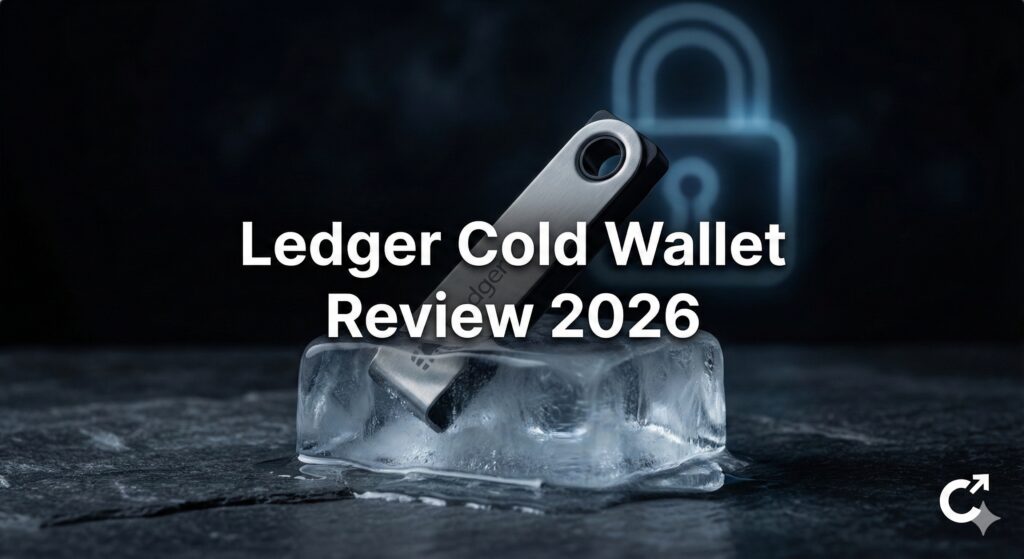
Ledger, without a shadow of doubt, is the best crypto wallets app currently available in the market. A Ledger’s main job is to keep your private keys in a tiny, offline vault.
To send money, you must physically press buttons on the device. It is widely considered the gold standard when people ask about the types of crypto wallets they should buy first.
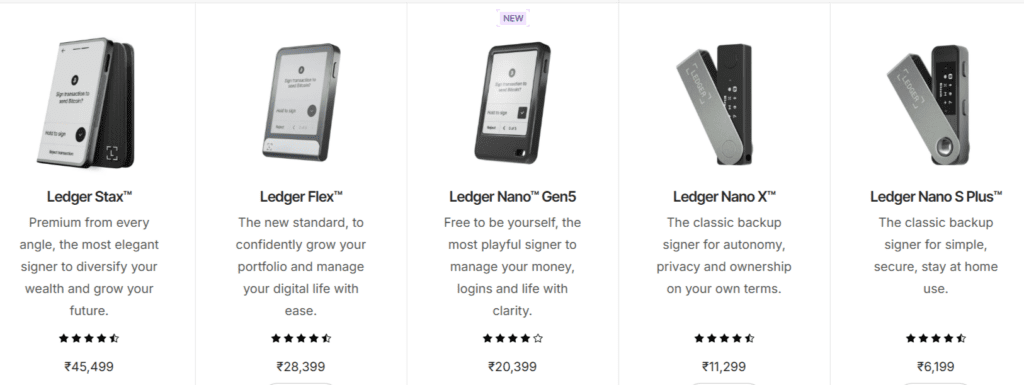
Ledger offers 5 models currently: Ledger Stax ($399), Ledger Flex ($249), Ledger Nano Gen5 ($149), Ledger Nano X ($119), and Ledger Nano S Plus ($79)
Source – Ledger.com
Interface
The “Ledger Live” app is beautiful. It serves as a dashboard for your entire portfolio. You can check prices, organize accounts, and even buy crypto directly. It feels just as polished as any best crypto wallet apps you would find on the App Store. The Nano X itself has a small screen, but the real magic happens on the phone or computer screen.
Security
Ledger uses a “Secure Element” chip. This is the same type of chip used in credit cards and passports. It is designed to withstand sophisticated physical attacks. Even if you plug it into a virus-infected computer, your keys remain safe inside the chip. This architecture is why it tops lists for secure types of crypto wallets.
Earning Features
You can stake coins directly through Ledger Live. They support staking for Ethereum, Solana, ATOM, and many others. It’s a “set it and forget it” way to earn passive income while knowing your assets are offline.
Number of Coins Supported
Ledger supports over 15000 coins and tokens. You can find every type of coin or token imaginable here.
Pros & Cons
- Pros
- Huge Coin Support: It works with practically every token you can think of.
- Bluetooth Connectivity: The Nano X connects wirelessly, giving it a modern feel.
- Secure Element Chip: Bank-grade security chips protect against physical tampering.
- Cons
- Closed Source: You cannot inspect the firmware code yourself, so you must trust Ledger.
Read Ledger wallet review 2026
2. Trezor (safe3, safe5 and safe7)
Best For: Transparency & Trust
Type: Hardware
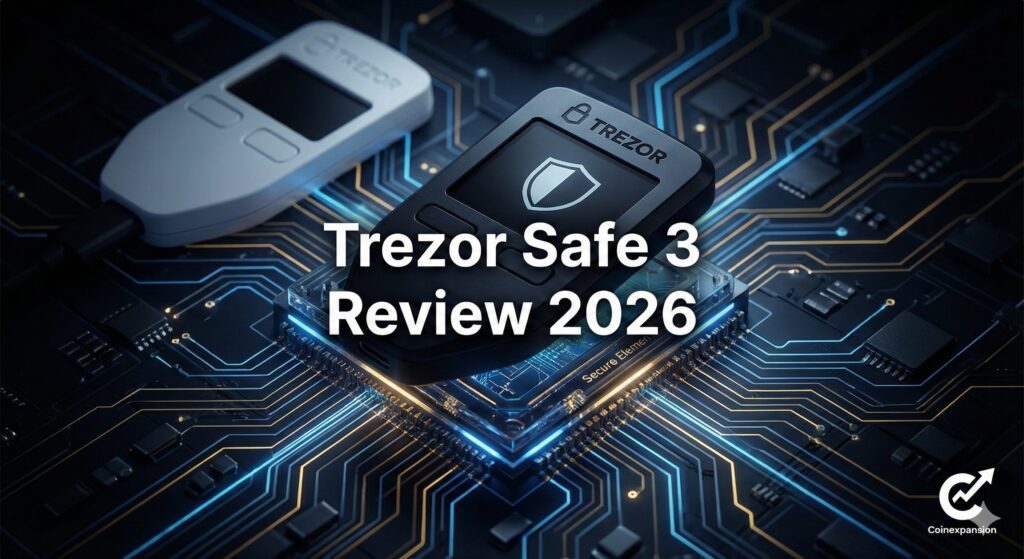
Trezor is the original hardware wallet. Its superpower is being “Open Source.” This means anyone can check the code. When discussing trustworthy types of crypto wallets, Trezor is always at the top. It is also the cheapest hardware wallet among the best hardware wallets.
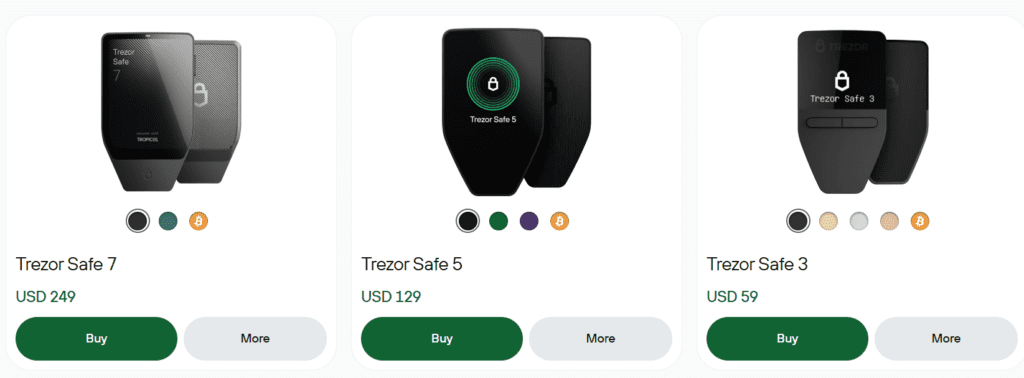
Trezor offers 3 models: Trezor Safe 3($59), Trezor Safe 5 ($129), and Trezor Safe 7 ($249)
Interface
Trezor uses the “Trezor Suite.” It is clean, minimalist, and very functional. It doesn’t have as many flashy bells and whistles as Ledger, but it gets the job done perfectly.
All models have a color touchscreen, which makes navigating the device itself very simple.
Security
The code is 100% open-source. Security researchers constantly test it for bugs. It does not use a Secure Element chip (by choice), relying instead on transparent code and strong passphrases. For many purists, this transparency makes it superior to other types of crypto wallets.
Trezor also uses a Certified EAL6+ Secure Element that provides an extra layer of physical protection for your crypto
Earning Features
Through the “Invity” feature in Trezor Suite, you can compare exchange rates and find staking options. It’s not as integrated as Ledger’s staking, but it gives you safe access to earning opportunities.
Number of Coins Supported
Trezor supports over 10000 coins (mostly via third-party integrations).
Pros & Cons
- Pros
- Open Source: The code is public, allowing the community to verify its safety.
- Touchscreen: Entering your PIN on the device screen is much safer than on a computer.
- Reputation: It has a long, proven history of reliability in the market.
- Cons
- No iOS Support: It is less mobile-friendly for iPhone users compared to Ledger.
- Plastic Build: It feels lighter and less “premium” than metal competitors.
Buy Trezor wallet at 20% discount
Check out Trezor wallet review
3. Ellipal (Titan 2.0, Titan mini)
Best For: Paranoid Security
Type: Hardware (Air-Gapped)
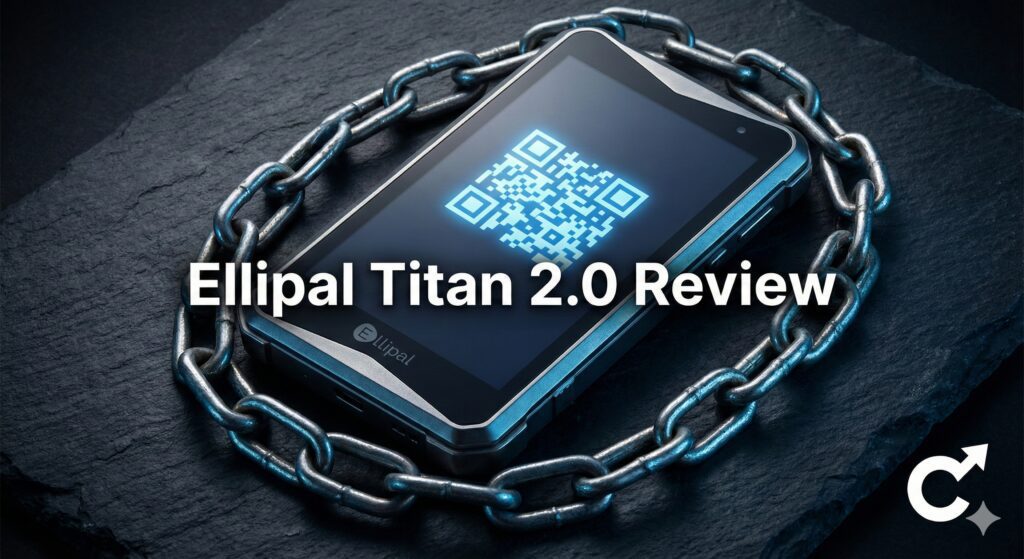
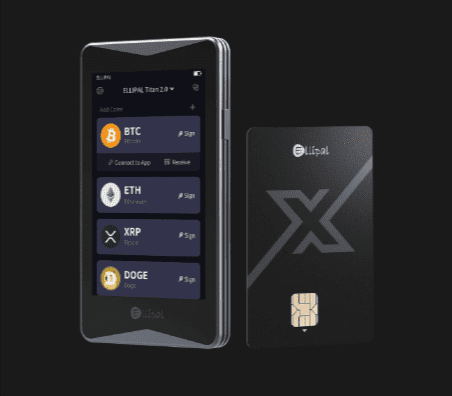
Ellipal is third on our list of the best crypto wallets app. The Ellipal Titan is built like a tank. It is “Air-Gapped,” meaning it has no Bluetooth, no WiFi, and no USB ports. It communicates only via QR codes. If you are comparing types of crypto wallets for maximum isolation, this is it.
Elippal offers two models: Ellipal Titan 2.0 ($169) and Ellipal Titan mini ($79)
Interface
The device looks like a smartphone. It has a large 4-inch touchscreen. You use the camera to scan QR codes to sign transactions, which feels very futuristic and secure.
Security
Total isolation. Because there are no ports, hackers have no physical or digital way to enter the device. It also has “Anti-Tamper” self-destruct mechanisms. If someone tries to pry it open, it deletes your keys instantly.
Earning Features
The Ellipal app supports staking for several major coins like Cosmos (ATOM) and Tezos (XTZ). You can earn rewards directly from the cold storage unit.
Number of Coins Supported
Ellipal supports over 10,000 coins and tokens.
Pros & Cons
- Pros
- 100% Air-Gapped: Zero online connectivity means zero remote attack vectors.
- Big Touchscreen: The interface is large and easy to navigate.
- Anti-Tamper: The device self-destructs its data if physically broken open.
- Cons
- Bulky: It is larger and heavier than most other wallets.
Checkout Ellipal Titan 2.0 Review (2026)
4. SecuX
Best For: Visual Clarity
Type: Hardware
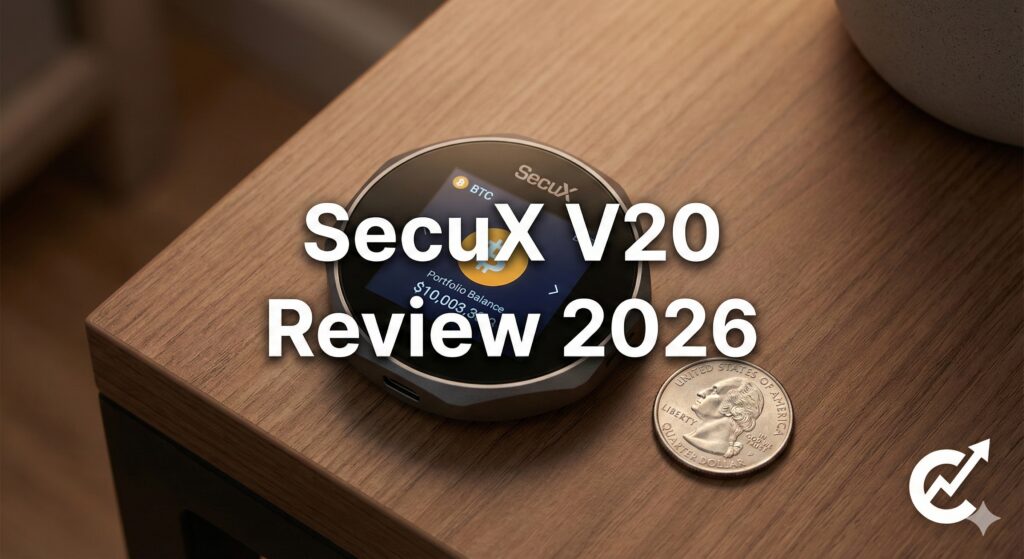
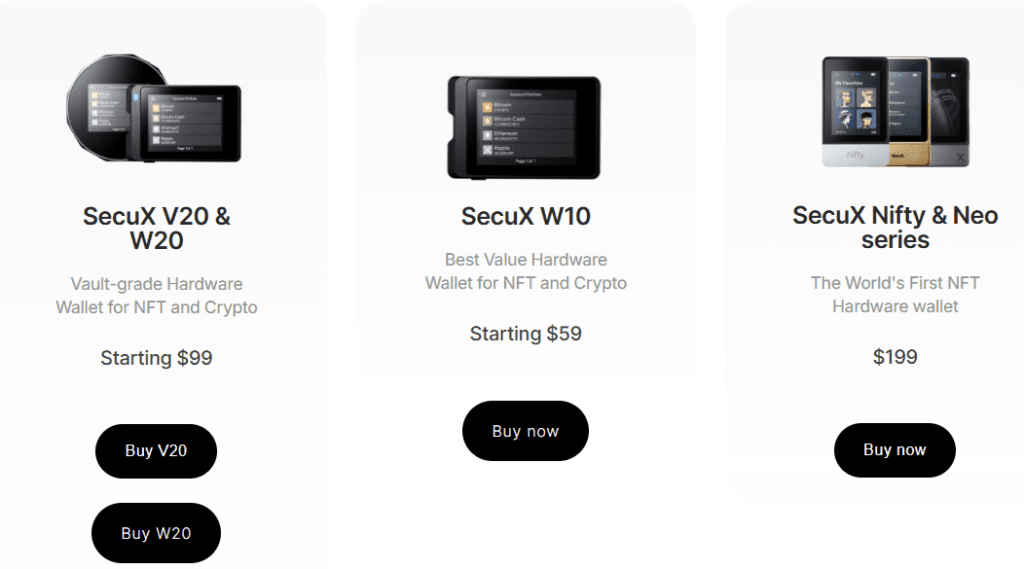
SecuX is fourth on our list best crypto wallets app. It uses a military-grade security chip. But it adds a massive 2.8-inch touchscreen. If you hate squinting at tiny screens on other devices, SecuX is a breath of fresh air.
Secux offers 4 models SecuX V20 & W20 (Starting $99), secux W10 (cheapest Starting $59), SecuX Nifty & Neo series ($199)
Interface
The interface is big, bright, and colorful. You can see your portfolio graph right on the hardware device, which is rare for these types of crypto wallets. It connects via Bluetooth to a mobile app.
Security
It uses an Infineon Secure Element chip (EAL5+ rated). This provides robust protection against physical hacking. The firmware is also closed-source, similar to Ledger.
Earning Features
It connects easily to DeFi apps via WalletConnect. This means you can use your SecuX to interact with earning platforms like Aave or Uniswap securely, though it doesn’t have extensive native staking built in.
Number of Coins Supported
SecuX supports over 10000 coins and tokens.
Pros & Cons
- Pros
- Massive Screen: The large touchscreen makes it easy to verify addresses.
- Dual Connectivity: It works seamlessly with both USB and Bluetooth.
- Cross-Platform: Works smoothly on Windows, Mac, iOS, and Android.
- Cons
- Size: Its awkward shape makes it hard to carry in a pocket.
- Basic UI: The interface is not as polished as Ledger Live.
Buy Secux Wallet at 10% discount using the link
Use code – coinexpansion or buy using the above link (discount will be applied automatically)
Part 2: The Best Software Wallets (Daily Use)
These are apps that live on your phone or computer. They are convenient. While they aren’t the safest of all types of crypto wallets, they are perfect for daily use.
5. Zengo Wallet
Best For: Absolute Beginners
Type: Software (MPC)
Zengo is unique because it is “Keyless.” You don’t have to worry about losing a paper seed phrase. It uses facial recognition. This makes Zengo one of the best crypto wallets app for beginners who are afraid of making a mistake.
Check out Best Seedless Crypto Wallets 2026
Interface
The interface is incredibly simple. It removes all the jargon. There are no “gas fees” settings or complex charts unless you look for them. It’s designed to feel like Venmo or PayPal, not a complex crypto tool.
Security
It uses MPC (Multi-Party Computation). Your key is split: one part on your phone, one on Zengo’s server. They cannot spend your money, but they can help you recover it if you lose your phone. It solves the biggest anxiety regarding self-custody types of crypto wallets.
Earning Features
You can earn interest on Bitcoin, Ethereum, and stablecoins through their integrated partners. The rates are competitive, and it’s accessible with one tap.
Number of Coins Supported
Zengo supports over 120 cryptocurrencies.
Pros & Cons
- Pros
- No Seed Phrase: Your face is the key, removing the risk of losing paper backups.
- 24/7 Support: You get access to actual human support agents.
- Beginner Friendly: The easiest entry point for crypto newcomers.
- Cons
- Not Standard Self-Custody: It relies partly on a server, which purists dislike.
- Fees: Buying crypto directly inside the app can be expensive.
Check out Zengo Cryptocurrency Wallet Review 2026
6. Exodus Wallet
Best For: Desktop Users & Design
Type: Software
Exodus is beautiful. It creates a private key on your device. It has built-in charts and an exchange. Many users consider it the best crypto wallets app for visual design.
Interface
It is stunning. The dark mode and colorful portfolio charts make watching your money fun. It organizes your assets into a pie chart so you can see your diversification at a glance. Among desktop types of crypto wallets, this one looks the best.
Security
It encrypts your private keys locally on your device. However, it does not have 2FA (Two-Factor Authentication) because it is a non-custodial wallet. If your computer gets hacked, your funds are at risk unless you pair it with a Trezor.
Earning Features
It has fantastic staking for coins likeEthereum, Solana, Cardano, and Algorand. The rewards calculator shows you exactly how much you will earn over time, which is a great feature.
7 Best Solana Wallets 2026 (For Memes, NFTs & Sniping)
Number of Coins Supported
Exodus supports over 300 assets.
Pros & Cons
- Pros
- Stunning Design: It has arguably the best visual interface in the business.
- Trezor Integration: Perfect bridge between software and hardware wallets.
- Built-in Exchange: You can swap coins instantly without leaving the app.
- Cons
- Closed Source: The code isn’t public, requiring trust in the developers.
- High Swap Fees: You pay for the convenience with higher transaction spreads.
7. Electrum
Best For: Bitcoin Purists
Type: Software
Electrum doesn’t look fancy, but it is powerful. It is built strictly for Bitcoin. It offers advanced features like “Lightning Network.” It is not for beginners, but for serious Bitcoiners, it remains one of the best specific types of crypto wallets.
Interface
It looks like software from 1995. It is grey, text-heavy, and utilitarian. There are no fancy charts or pie graphs. It is purely functional, designed for engineers and purists, not for people looking for a pretty crypto wallet app.
Security
It is open-source and highly secure. It allows you to set up “Multi-Sig” wallets (where you need multiple people to approve a transaction). You can also use it offline to sign transactions for cold storage.
Earning Features
There are no native earning features. Electrum is for storing and sending Bitcoin, not for DeFi or staking.
Number of Coins Supported
1 (Bitcoin only).
Pros & Cons
- Pros
- Lightning Network: Supports fast, cheap Bitcoin transactions.
- Custom Fees: Gives you precise control over transaction costs.
- Time-Tested: It is battle-hardened and reliable since 2011.
- Cons
- Bitcoin Only: It does not support any other altcoins.
- Ugly Interface: The old-school design can be intimidating for newbies.
8. MetaMask
Best For: Web3 & NFTs
Type: Software (Browser Extension)
MetaMask is your passport to the decentralized web. It connects to almost every dApp and NFT marketplace. For maximum safety, pro users connect their Ledger to MetaMask. This combines the convenience of the best crypto wallets app with hardware security.
Interface
It lives in your browser or on your phone. The interface is simple, but it can get confusing when you start adding custom networks. It’s the standard key that unlocks the door to Web3 websites.
Security
It is a “hot” wallet, so it is always connected to the internet. This makes it vulnerable to phishing attacks. However, it allows you to adjust spending limits for sites, which helps mitigate risk.
Earning Features
MetaMask has a “Portfolio” dApp where you can stake Ethereum directly. You can also connect it to literally any DeFi protocol in the world for yield farming, making it the most versatile of all types of crypto wallets for earning.
Number of Coins Supported
Supports Ethereum and all EVM (Ethereum Virtual Machine) compatible tokens (thousands).
Pros & Cons
- Pros
- Universal Access: It works with almost every dApp in existence.
- Hardware Support: Connects easily to Ledger/Trezor for added safety.
- Custom Networks: Allows you to manually add almost any blockchain.
- Cons
- Phishing Risk: Being browser-based makes it a high target for scammers.
- Confusing for Newbies: Managing gas fees and networks can be tricky.
Checkout MetaMask Wallet Review 2026
Part 3: The Best Exchange Wallets (Convenience)
These are the default wallets you get when you sign up for an exchange. Exchange wallets are available at all major crypto Exchanges. While some don’t consider them “real” types of crypto wallets because you don’t hold the keys, they are incredibly convenient. Exchange wallets can be considered the best storage option for beginners who want to use crypto for day-to-day use.
9. Bybit Wallet
Best For: Web3 Traders
Type: Exchange / Web3
Bybit isn’t just for leverage trading. Their Bybit Web3 Wallet is a gateway to the decentralized world. It uses MPC technology. For traders who want to explore Web3 safely, this is the best crypto wallets app to start with.
Interface
The interface is slick and dark-mode friendly. It feels like a professional trading desk but simplified for mobile. You can switch between the “Exchange” view and “Web3” view with a single tap, which is a huge plus if you hate managing multiple apps.
Security
Bybit takes security seriously. They use cold storage for the majority of funds. The Web3 wallet uses MPC (Multi-Party Computation) technology, meaning your private key is split into pieces and never fully exposed. It’s safer than a standard browser extension.
Earning Features
You have “Bybit Earn,” which is excellent. You can stake ETH, USDT, and many other coins for passive income. They also have a “Launchpad” where you can get early access to new tokens just by holding funds in your wallet.
Number of Coins Supported
Bybit supports over 1,000+ cryptocurrencies.
Pros & Cons
- Pros
- One-Click Web3: Jump easily from trading futures to buying NFTs.
- Security: Uses advanced MPC technology for safety.
- Integration: Moving funds between accounts is seamless.
- Cons
- Platform Risk: You lose access if the site goes down.
- Less Control: You are relying on Bybit’s infrastructure.
Grab a signup bonus of up to $30000
Checkout Bybit wallet review 2026
10. PrimeXBT Wallet
Best For: Margin Traders & Copy Trading
Type: Exchange
PrimeXBT is famous for “Covesting,” where you copy pros. The PrimeXBT Wallet is the hub for this. They keep most user funds in cold storage. This makes them a strong contender for the safest choice among exchange-based types of crypto wallets.
Interface
The interface is very clean but built for traders. It shows your “Margin” and “Wallet” balances separately. It might feel a bit technical for a total beginner, but for anyone who understands trading, it is incredibly efficient.
Security
They rely heavily on Cold Storage. This means the vast majority of client funds are kept offline in hardware vaults, away from hackers. They also require 2FA (Two-Factor Authentication) for all withdrawals, adding a necessary layer of safety.
Earning Features
The star here is “Covesting.” You don’t just earn interest; you earn by copying professional traders. You can browse a leaderboard, pick a winner, and your wallet automatically mirrors their trades. It’s high risk, but high reward.
Number of Coins Supported
PrimeXBT supports 200+ assets (including Crypto, Forex, and Indices).
Pros & Cons
- Pros
- Privacy: Requires less invasive data than many competitors.
- Cold Storage: High security standard for stored funds.
- Copy Trading: Unique feature to mirror pro traders.
- Cons
- Unregulated: Not available in US.
- Limited Features: Designed more for collateral than daily use.
Sign up to grab a $100 bonus and an opportunity to claim an additional $3390 in rewards
Check out PrimeXBT Wallet review 2026
11. MEXC
Best For: Altcoin Hunters & Low Fees
Type: Exchange
MEXC is where the hidden gems live. If you want to find a token before it hits the mainstream news, you usually find it here first.
It is a fantastic best crypto wallets app for aggressive traders who want to hunt for the next big thing without getting eaten up by costs. MEXC is one of the high-leverage, low-fee, and no-KYC Crypto Exchanges.
Next 1000x Crypto 2026 – 10 Coins That Could Explode
Interface
The app is packed with features. It can feel a little cluttered because they offer so many tools. However, the search function is fast, and buying a new coin takes seconds. It feels like a bustling marketplace.
Security
MEXC uses high-end server protection and 2FA. While they handle massive volume, they encourage users to move funds to personal wallets after trading. They are safe for trading, but as always, not for long-term storage of life savings.
Earning Features
“Kickstarter” events are their best feature. By holding their native MX token, you get airdrops of new coins almost every day. It’s basically free money just for using the platform. They also offer standard staking for major coins.
Number of Coins Supported
MEXC supports over 2,000+ cryptocurrencies. You will find everything from most authentic coins to potentially profitable penny coins
Pros & Cons
- Pros
- Massive Variety: Finds hidden gems before anyone else.
- Low Fees: Often has nearly zero fees for spot trading.
- Airdrops: Daily free tokens via “Kickstarter” events.
- Cons
- Cluttered Interface: Can be overwhelming for new users.
- Regulatory Risk: Not available in all global regions.
Claim a signup Bonus up to $1000 using the link
Read MEXC Kickstarter review 2026
12. Binance
Best For: Ecosystem Users
Type: Exchange
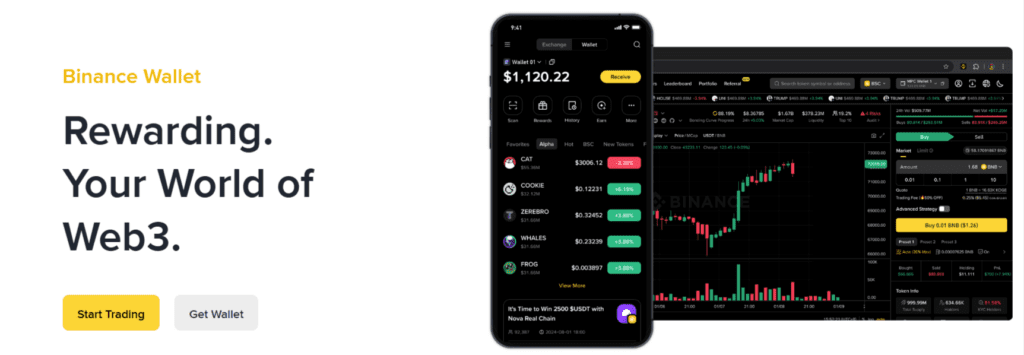
Binance is the world’s largest exchange. Its wallet is connected to an entire ecosystem. It serves as a powerful best crypto wallets app for active traders. But remember, don’t treat it like a savings account.
Interface
Binance has two modes: “Binance Lite” and “Binance Pro.” The Lite version is clean and simple, perfect for beginners. The Pro version is a cockpit of charts and data for experts. Having this switch makes it one of the most versatile types of crypto wallets interfaces.
Security
They have a “SAFU” fund (Secure Asset Fund for Users). This is a billion-dollar insurance pot set aside to repay users if the exchange ever gets hacked. It provides a peace of mind that smaller exchanges cannot match.
Earning Features
“Binance Earn” is massive. You have Simple Earn, Dual Investment, Liquid Swap, and Launchpool. Whether you want safe, low-interest returns or risky, high-yield options, they have it all in one menu.
Number of Coins Supported
Binance supports over 1000+ cryptocurrencies.
Pros & Cons
- Pros
- Massive Ecosystem: You can do everything in one app.
- Low Fees: Very competitive trading costs.
- Liquidity: You can handle large trades easily.
- Cons
- Regulatory Heat: Faces legal challenges globally.
- Custodial Risk: You don’t hold the keys.
Sign up using this link to claim $100 voucher and 20% fee rebate for lifetime
Checkout Binance Wallet review 2026
How to Choose the Right Wallet
Still confused? Let’s simplify the choice between these types of crypto wallets.
- Go Cold (Hardware): If you are investing for the long term. Get a Ledger or Trezor.
- Go Hot (Software): If you are trading daily. You can either get Exodus, MetaMask, or go for an exchange wallet.
- Go Hybrid: If you want trading power. Get Bybit Wallet or Binance.
My advice? Use both. Keep your savings in a Ledger, and keep your “play money” in a best crypto wallets app like Metamask. This gives you the best of both worlds.
Checkout 7 Best Solana Wallets 2026 (For Memes, NFTs & Sniping)
Best Hardware Wallets 2026: comparison)
Best Crypto wallets app Comparison
[ninja_tables id=”68123″]
Frequently Asked Questions (FAQ)
Q: What is the single safest crypto wallet?
A: An air-gapped hardware wallet is technically the safest among all types of crypto wallets. It is physically isolated from the internet. Ellipal is an example of air gapped hardware wallet. However, Ledger and Trezor are no less than Ellipal and are considered one of the best and safest hardware wallets in the market.
Q: Is a hardware wallet worth the money?
A: Yes. If you have significant funds, it is worth it. It is cheaper than losing everything because you relied on a less secure crypto wallet app, and on top of that, it only costs $59 to buy Trezor and $69 to buy ledger
Q: Ledger vs Trezor: Which is better?
A: Ledger is better for mobile users. Trezor is better for transparency. Both are top-tier types of crypto wallets. Trezor safe 3 is also one of the cheapest crypto wallets app in the industry.
Q: difference between a hot wallet and a cold wallet?
A: Hot Wallets (like MetaMask or exchange apps) are always connected to the internet. This makes them incredibly convenient for quick trading and daily transactions, but it also makes them vulnerable to online hackers and malware.
Cold Wallets (like Ledger or Trezor) are physical devices kept completely offline. They store your private keys in “cold storage,” disconnected from the web, making them virtually immune to remote cyber attacks.
Checkout below article below to learn indepth difference between hot wallets and cold wallets
Hot Wallet vs Cold Wallet: The Ultimate Guide for Beginners (2026)
Q: What is the best cryptocurrency wallet for beginners?
A: It is always recommended to use a hardware to store your crypto. However, Zengo is widely considered the best crypto wallets app for newcomers because it removes the stress of seed phrases. But as soon as your portfolio grow always go for a hardware wallet
Best Seedless Crypto Wallets 2026: No More Recovery Phrases